When we talk about accessibility, we often talk about getting through the door.
Can I get into the building?
Can I get into the classroom?
Can I get into the workplace?
And yes — those things matter.
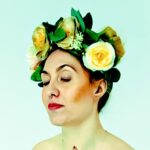
But I’m blind. I use a wheelchair. And I’m a suicide survivor.
And I want to talk about the barriers you can’t see.
Because I can get through the door and still be completely shut out.
I can be given a seat at the table and still have nobody listen to what I have to say.
And sometimes the biggest barrier isn’t the stairs.
It’s the assumption.
The assumption that because I’m blind, I can’t see possibility.
That because I use a wheelchair, I can’t move things forward.
That because I’ve struggled, I must have less to offer.
Except…
I gained a degree in counselling.
I gained a master’s in criminal justice.
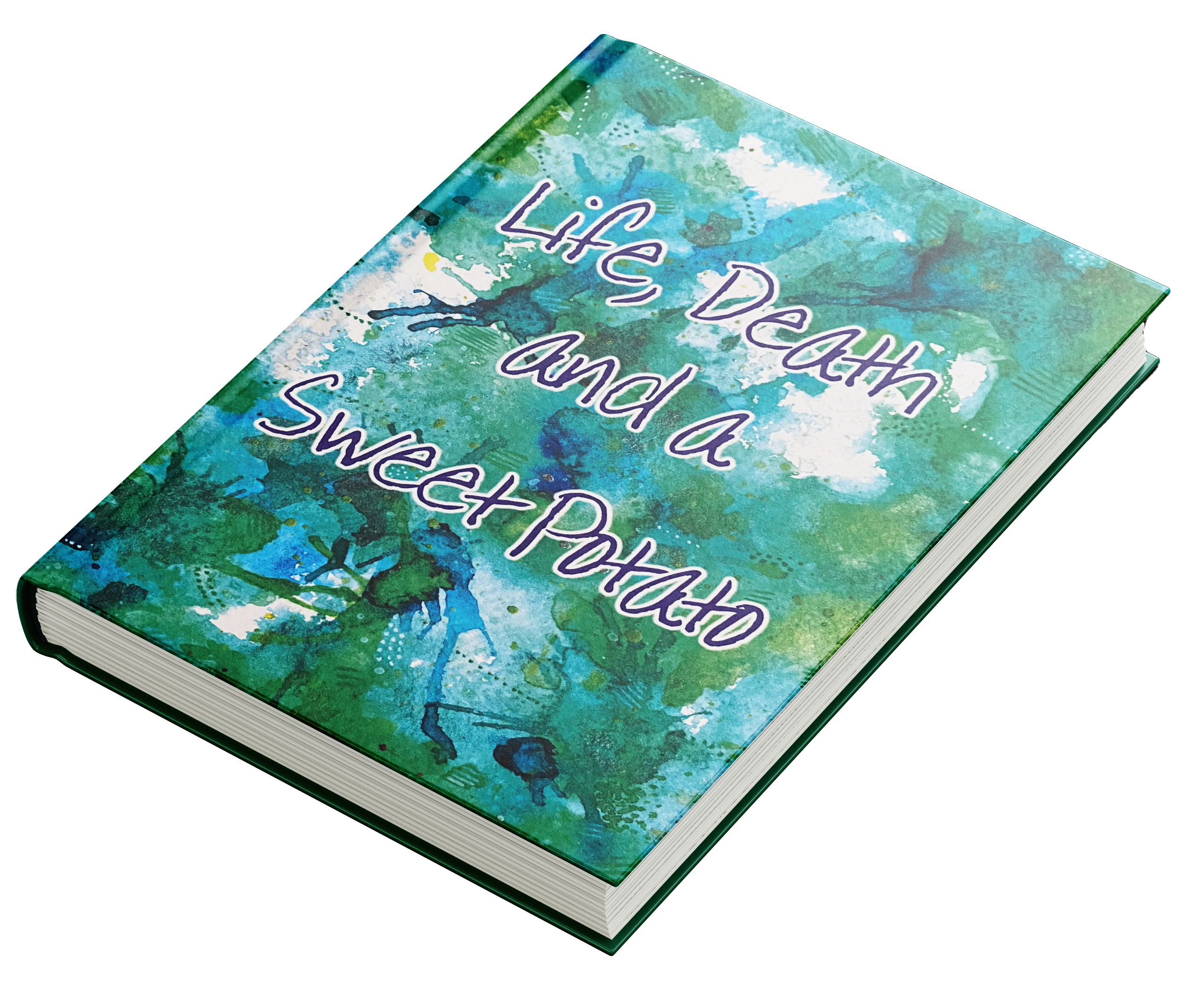
I wrote a book.
I made a documentary about my story.
So perhaps the question isn’t:
“What can a disabled person do?”
Perhaps we should be asking:
“What could they do if we stopped deciding their limits for them?”
Because accessibility isn’t just ramps and lifts.
It’s access to education.
Access to employment.
Access to leadership.
Access to being heard.
Access to being taken seriously.
And access to the simple, radical idea that you don’t have to fit inside somebody else’s definition of “normal” to belong here.
I don’t want to be inspirational because I survived.
I don’t want to be exceptional just to prove I’m worthy of a place.
I want a world where disabled people don’t have to produce a degree, a book, a documentary, or a story of survival before somebody decides their voice matters.
Difference isn’t a problem to be managed.
It’s part of being human.
So build the ramp.
Fix the lift.
Caption the video.
But then keep going.
Open the classroom.
Open the workplace.
Open the microphone.
And when people who have been pushed to the edges finally get into the room—
don’t ask us to shrink to fit it.
Make the room bigger.
And then make it bigger again.
Because we are not asking for a smaller world that accommodates us.
We are asking for a bigger world that includes all of us